

Weather & Mood
Just this week a few of our clients have mentioned their mood has dropped as a result of the cooler weather in Perth recently. When we talk about low mood, there are several things people start to experience. They feel flat and tired, lack energy and motivation, lose interest and enjoyment in previously enjoyed activities, withdraw socially and have problems with memory and concentration. Many people will say they find it difficult to get out of bed in the morning.
When a person’s mood drops, they start to become pessimistic in their thinking process. Often, they become quite critical of themselves (and others), the world and the future. This can happen quite gradually. What also tends to occur when people feel low is that they stop doing things. They tend to stop exercising, socialising and scheduling pleasant activities.
There is evidence to suggest that the weather has a direct impact on our mood. Anecdotally, people tend to be happier when the sun is out. There is a belief that our mood is linked with the availability of sun light. For example, in the UK where there is minimal sun light in the winter months, many people report low or depressed mood. Some of the treatments for this involve exposing affected people to bright lights for large portions of the day. Interestingly this has shown to improve depressive symptoms.
What we often prescribe to clients during the cooler and darker months of the year is to do the opposite of what the low mood advocates. When the individual doesn’t feel like getting out of bed, we encourage them to do the opposite and to get out of bed. When the person feels like not exercising, we encourage exercise. When the individual doesn’t feel like going out, we encourage them to go out and socialise. It is often this activity of doing the opposite that can lead to improvement in mood.
One of the most important things we teach clients is how to be aware of their thinking process, particularly if they are feeling low or depressed. We know a person’s thought process is intricately linked with how they feel so if they can understand the link between their thoughts, feelings and behaviour this can be important in addressing low mood. We have more control over our thinking process than many people realise and this is one of the fundamental components of counselling for low or depressed mood.
If you or anyone you know is suffering from low or depressed mood and would like help to manage these feelings, please don’t hesitate to contact us by calling (08) 9226 4489.
There is a myriad of articles and blogs on the benefits of competent people leadership, how to be a more effective leader and the devastating impact that poor people leadership can have on a team and an organisation.
Prior Gallup polls have suggested that a minor 13% of the global workforce is actively engaged in the work they do. That means that a whopping 87% of the workforce is either passively or actively disengaged in their day-to-day work. This may come to some as quite a surprise.
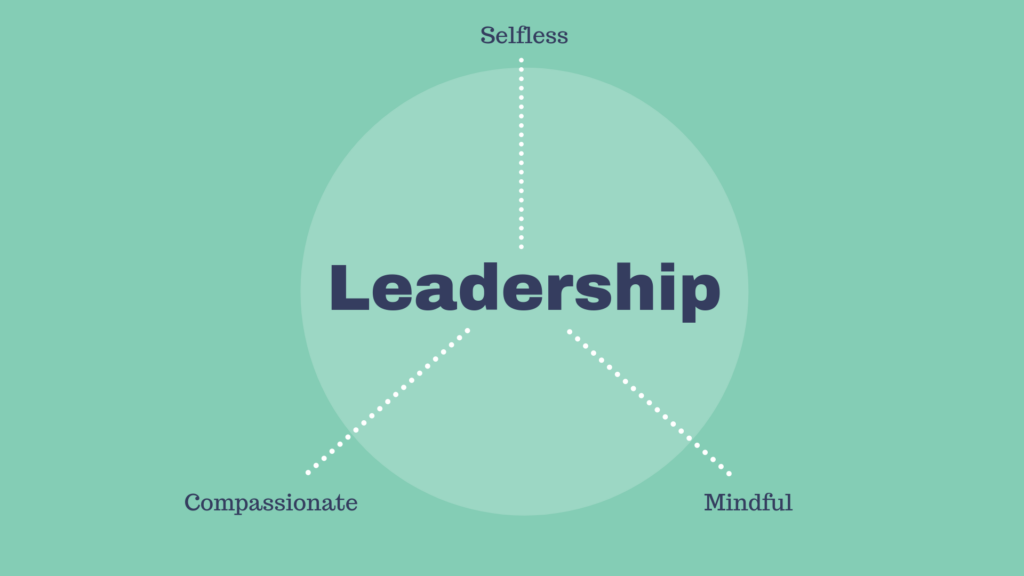
What we know very clearly is that effective people leaders have a significant and positive effect on the people they lead and the organisations in which they work. Research from the Potential Project suggests effective people leaders demonstrate three consistent traits:
Compassion: The act of helping. Moving from empathising with a team member to actively assisting them with a problem. This could mean re-assigning some of their work, providing additional resources or allowing flexibility in their work schedule.
Selflessness: The most effective people leaders are selfless. They consider the needs of the team before their own needs. In reality, this could look like a leader taking on some of their team members’ work, rescheduling their own diary to help their direct reports or rolling up their sleeves and helping the team to perform when required.
Mindful: High quality people leaders are present. They are aware of how team members are going on a day to day basis. In meetings, they turn off their phone and are 100% present with the people they are leading. They are attuned to the dynamics and interpersonal relations of each team member, and they are likely aware of any issues team members face not only at work but also in their personal lives.